
🐺 THE NAVAJO LEGEND: The Dark Mystery of the Skinwalker
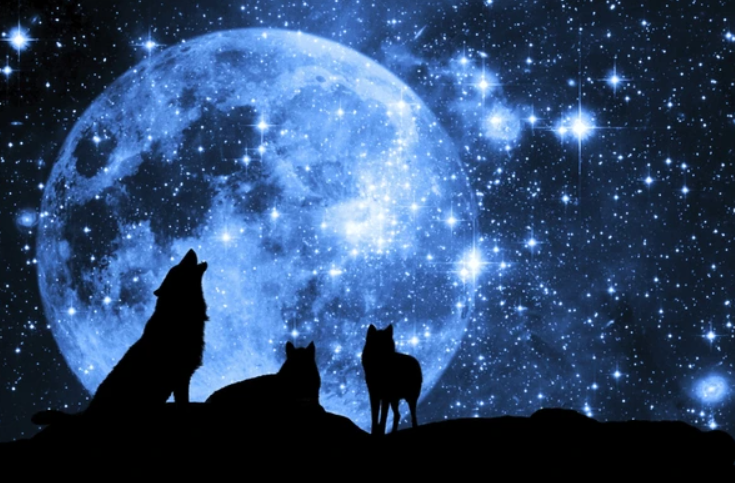
The Navajo Legend of the Skinwalker: Exploring the Yee Naaldlooshii in Diné Culture
Imagine a moonless night across the vast high deserts of the Four Corners region, where the wind moves through sagebrush and shadows stretch unnaturally long. For the Navajo people, known as the Diné, this landscape is more than eerie scenery—it's the realm of the yee naaldlooshii, commonly called the Skinwalker. Far from a simple horror tale, the Skinwalker is a profound and feared figure in Navajo tradition, embodying the dangerous inversion of sacred spiritual power and serving as a stark reminder of the balance between harmony and chaos.
🌑 The Shadow in the Moonlight: Origins of the Yee Naaldlooshii
In Navajo belief, a Skinwalker—yee naaldlooshii, translating to "by means of it, he goes on all fours"—is a harmful witch or sorcerer who has deliberately turned away from the path of Hózhó (balance and harmony). These individuals, often former medicine people who once held respected roles, commit grave taboos—such as the murder of a close family member—to gain forbidden abilities. By donning the pelt of an animal (typically a wolf, coyote, bear, or other predator), they achieve shape-shifting: the power to transform into, possess, or mimic the animal's form, speed, strength, and even voices.
This transformation is not a curse or natural gift but a conscious choice rooted in the "Witchery Way," a dark perversion of Navajo spiritual practices. The legend warns that great knowledge and power demand responsibility—misusing them invites profound spiritual corruption and disrupts the natural order.
📜 A Folklore of Fear: Cultural Significance and Enduring Taboo
The Skinwalker holds immense weight in Diné life and remains a deeply sensitive subject. Many Navajo avoid speaking the name aloud, believing it can attract the entity's attention or invite misfortune. This cultural reticence stems from respect for the legend's power and a desire to protect sacred knowledge from outsiders.
Discussing Skinwalkers openly with non-Navajo people is traditionally taboo, as the topic is tied to intimate ceremonial understandings and the survival of traditions amid historical challenges. While popular media often reduces them to generic monsters or horror tropes (in films, books, or online stories), within Navajo communities, the Skinwalker symbolizes social and spiritual disharmony—a caution against greed, betrayal, and the abuse of sacred gifts.
Modern portrayals, including those linking Skinwalkers to paranormal sites like Skinwalker Ranch, frequently stray from authentic cultural context, blending myth with unrelated phenomena and sometimes contributing to misrepresentation.

🕯️ The Light of Resilience: Honoring Sacred Balance
Despite the darkness the legend evokes, the Skinwalker story underscores the strength and depth of Navajo spirituality. For every shadow, Navajo tradition offers light: ceremonies, protections, and healing practices that restore Hózhó and guard against imbalance. These teachings emphasize resilience, the value of ancestral knowledge, and the importance of living in harmony with the world.
The legend ultimately serves as a protective narrative, passing down lessons to younger generations about respecting traditions, avoiding harm, and upholding ethical use of spiritual power.
🌙 Embracing the Mystery at Powwow Store
At powwow.store, we are drawn to the powerful, multifaceted stories that shape Indigenous experiences—those that illuminate both light and shadow. Our designs draw inspiration from the sacred and mysterious elements of these traditions, honoring the depth of legends like the yee naaldlooshii that have endured through generations. When you choose our pieces, you're not just wearing art; you're connecting to the rich, layered tapestry of a culture that reveres the mysteries of the night as deeply as the blessings of the day.