
🌲The Landback Movement: Returning Ancestral Territory to the People 🌊
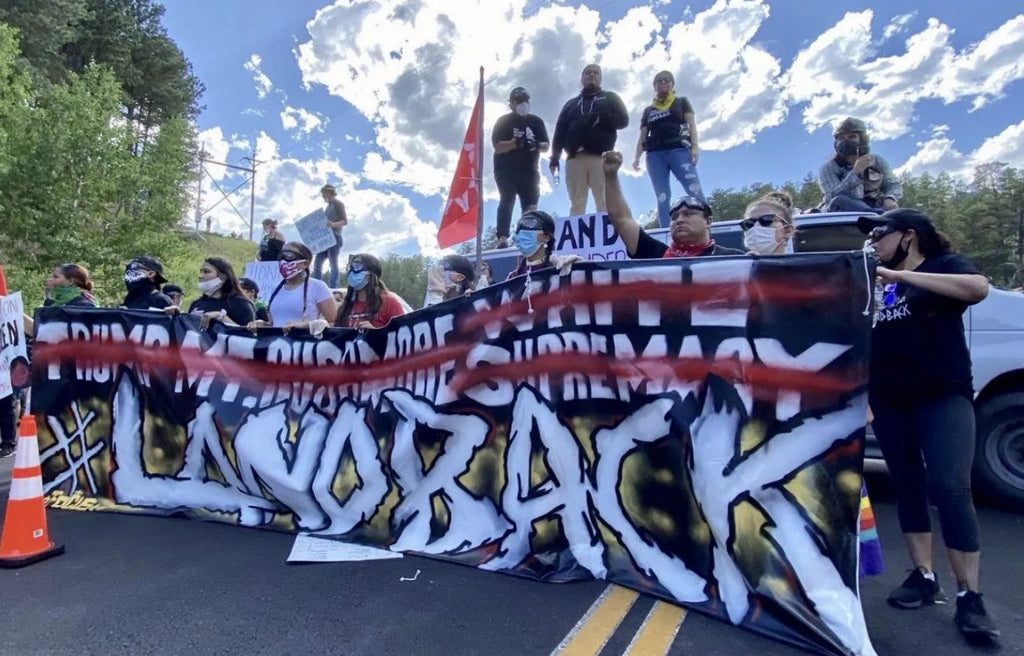
The Landback Movement: Reclaiming Indigenous Ancestral Lands & Why It Matters in 2025
Did you know that Indigenous peoples in America have lost nearly 99% of their ancestral lands since European colonization? The Landback Movement is the powerful, growing response — a call to return stolen territories, restore sovereignty, heal historical wounds, and protect the planet for future generations. From the iconic 1969 Alcatraz occupation to today’s nationwide campaigns, this movement is gaining unstoppable momentum and widespread international support.
🏞️ The Core Struggle: Reclaiming Stolen Ancestral Lands
For centuries, Indigenous nations have fought to regain territories taken through broken treaties and forced removals. The Landback Movement flips the entire narrative: it’s not just about ownership — it’s about restoring true sovereignty, cultural survival, and environmental justice.
The loss has been devastating. Cultures have been eroded, communities weakened, and ecosystems damaged. That’s why the movement demands more than land — it demands the fundamental right to self-determination.
📊 Momentum Building: Key Stats and Widespread Support
The movement is accelerating faster than ever. In just the past two decades:
- At least 100 successful land recoveries
- More than 420,000 acres returned to 73 tribes through purchases, donations, and legislation (Sierra Club reports)
- The U.S. government’s Land Buy-Back Program, concluded in 2023, restored nearly 3 million acres to tribal trust across 15 states
Environmental leaders like the Sierra Club and Forbes emphasize a critical truth: Indigenous peoples steward just 24% of the world’s land yet protect 80% of global biodiversity. This powerful fact is why the Landback Movement continues to win strong support from climate advocates and organizations worldwide.

🔍 Unpacking the Roots: From Colonialism to Modern Advocacy
The movement was born from deep-rooted injustice — centuries of Manifest Destiny, ignored treaties, and forced displacement. A landmark victory came when Blue Lake was finally returned to Taos Pueblo after 90 years of struggle.
Today, Indigenous-led initiatives are driving meaningful change:
- In 2024, the Upper Sioux Community in Minnesota reclaimed sacred land from a state park
- The Leech Lake Band of Ojibwe successfully restored 155,000 acres and rebuilt relationships with government
These stories trace back through centuries of displacement, now countered by a growing alliance of activists, tribes, and policymakers.
📈 Lasting Impacts: Environmental Wins and Global Inspiration
Returning land to Indigenous stewardship delivers proven, science-backed results (Yale E360 and Nature studies):
- Reduced deforestation and wildfires
- Cleaner water sources protected
- Massive increase in carbon sequestration — up to 12+ gigatons if scaled globally
With 370 million Indigenous people worldwide, the Landback Movement is creating real equity, biodiversity, and climate resilience. It revives traditional food systems, ecological knowledge, and wildlife populations — including the American bison — while helping solve food insecurity in tribal communities. Economically, it builds lasting self-sufficiency through better infrastructure and cultural preservation.
Indigenous stewardship truly benefits everyone.