
🩺A Historic Milestone: Empowering the First Generation of Native Medical Experts 🏥
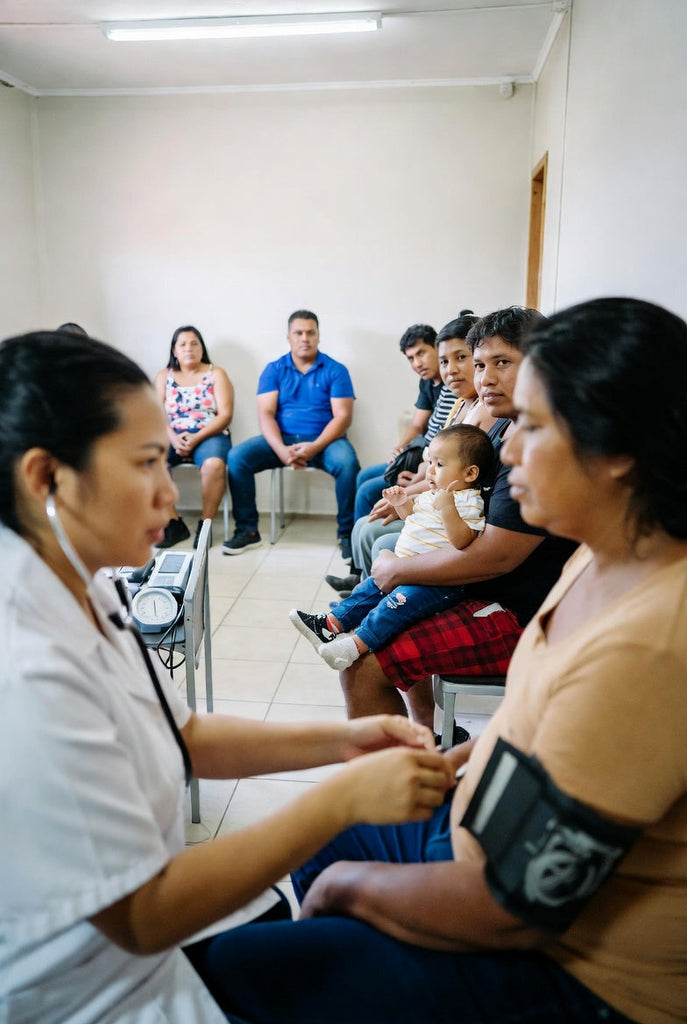
🩺 The Persistent Challenge: Gaps in Tailored Indigenous Healthcare
In vibrant Indigenous communities, culturally sensitive healthcare has long been out of reach. Native Americans endure life expectancies 5.5 years shorter than average, per the Indian Health Service, with nearly one in three uninsured and 2.3 times higher diabetes mortality rates. The COVID-19 crisis worsened this, making Indigenous people five times more likely to be hospitalized, exposing systemic shortages that leave millions at risk.
🤝 A Historic Breakthrough: Nurturing Native Medical Leaders
Hope emerges through programs like the Ohiyesa Premedical Program, started in 2022, training the first wave of Native doctors where representation is critically low. Natives are 2.9% of the U.S. population but just 0.56% of physicians, says the Association of American Medical Colleges. These experts are 55% more likely to serve their communities, delivering trusted care that tackles chronic issues and mental health with cultural insight.
 🔍 Digging Deeper: The Roots of Inequality and Why Change Matters Now
This crisis didn't appear overnight—it's woven into centuries of colonialism, discrimination, and underfunding. For instance, 75% of Native people live in urban areas, yet only 1% of Indian Health Service funds reaches them, leaving urban Indigenous health programs starved for resources. Historical traumas have led to higher morbidity rates, like cancer mortality that's twice as high for certain types in Indigenous groups compared to white populations, as noted in UNESCO and PubMed studies. The lack of Native voices in healthcare perpetuates biases, but initiatives focusing on cultural humility and partnerships with Tribes are changing that, fostering systems where care is co-designed with those it serves.
📈 The Ripple of Real Impact: Toward a Healthier, Equitable Future
The results? A path to lasting equity. By increasing Native medical professionals, we're seeing reductions in disparities—better outcomes in diabetes management, lower suicide rates through culturally sensitive interventions, and stronger community sovereignty over health. Organizations like the American College of Physicians emphasize that boosting Indigenous workforce pipelines isn't just ethical; it's essential for closing gaps rooted in poverty and access barriers. With over 370 million Indigenous people worldwide facing similar issues, this U.S.-led milestone inspires global change, proving that sustainable solutions come from within, empowering generations to heal their own.