
Native American-Inspired 3D Hoodies for Weekend Travel
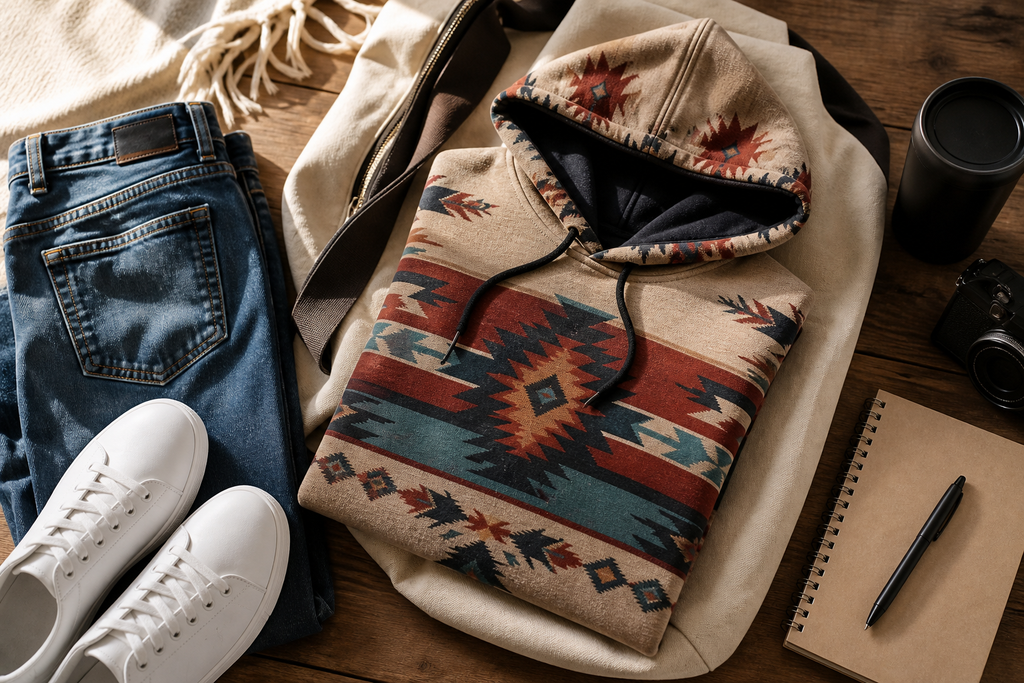
Native American-Inspired 3D Hoodies for Weekend Travel

A Native American-inspired 3D hoodie can be a helpful weekend travel layer for road trips, cool evenings, airport days, and relaxed family visits. The best approach is to keep the item or topic grounded in everyday use, practical comfort, and respectful language rather than exaggerated cultural claims.
Powwow Store uses the phrase Native American-inspired carefully. These products and visitor guides should not be treated as tribal-specific teachings, ceremonial instructions, regalia, or claims about one Nation, artist, or tradition unless a product page or community source gives verified context. This article keeps the focus useful, neutral, and respectful.
Start with the real situation
Before choosing an outfit, home piece, travel accessory, or visitor habit, think about where it will actually be used. A weekend trip needs comfort and easy packing. A home refresh needs color harmony and care instructions. A powwow visit needs humility, listening, and attention to the host’s guidance. Starting with the real situation helps the final choice feel natural instead of staged.
For products, look at color, function, size, and maintenance before focusing only on the pattern. For culture or event topics, look first for posted rules, the emcee’s announcements, and local guidance. Native communities are diverse, and respectful general advice should never pretend to replace community-specific direction.
Keep the look simple and intentional
Native American-inspired patterns often include strong color or geometry, so surrounding details should usually stay simple. Neutral basics such as denim, cream, tan, black, charcoal, white, and warm earth tones give the main piece room to stand out. In home decor, plain towels, bedding layers, wood tones, or simple desk accessories can make patterned pieces easier to use every day.
- Choose one focal point: let the main product, habit, or lesson guide the rest of the setup.
- Use calm supporting colors: repeat one or two tones instead of mixing many competing patterns.
- Think about daily routines: a useful piece should fit work, travel, family time, or home comfort.
- Check care and sizing: product pages and labels help shoppers avoid surprises after purchase.
Respectful wording matters
When something is described as Native American-inspired, avoid language that turns Native cultures into one single style or costume theme. Do not invent sacred meanings, tribal claims, or ceremonial stories for a design. Regalia is not costume, and many cultural items carry family, community, personal, or ceremonial significance.
A simple explanation is often best: this is a Native American-inspired piece or a general visitor guide from Powwow Store. Unless there is verified artist, Nation, or community information, keep descriptions product-specific and avoid speaking for communities. That approach is honest, respectful, and clearer for shoppers.
Practical ideas to make it useful
If this topic is about apparel, build outfits around comfort: a patterned hoodie with denim and sneakers, a Hawaiian shirt with solid shorts, or a travel layer that works from car rides to cool evenings. If it is about decor, build a room around texture, lighting, and a calm base palette. If it is about visiting a powwow, listen first, ask before photos, and follow posted or announced instructions.
Gift buyers should also think about usefulness. A thoughtful gift should match the recipient’s size, colors, routine, home, vehicle, or travel plans. The most memorable choice is not always the boldest one; it is the one the person can use often without extra effort.
What to avoid
Avoid fake ceremonial accessories, imitation headdresses, feathers used as props, or staging that makes everyday products look like sacred objects. Avoid describing designs as authentic to a specific community unless that is clearly documented. Avoid treating a powwow as a costume event, photo backdrop, or entertainment space without community context.
For images, plain lifestyle settings are usually safest: a car interior, a bedroom, a bathroom, a travel flat-lay, or a visitor scene from a respectful distance. These settings support the article without copying regalia details or turning cultural items into decoration.
Final checklist
- Keep the main piece or lesson practical and easy to understand.
- Use neutral, respectful wording and avoid unsupported tribal or sacred claims.
- Let one pattern or idea lead instead of crowding the setup.
- Follow product care notes or event host guidance whenever available.
For SEO and reader experience, the article should feel specific without overstating the product. Mention the exact use case, keep internal links relevant, and avoid filler phrases that do not help a shopper or visitor make a better decision. Clear, respectful copy is more valuable than repeating keywords too many times.
It also helps to review the page once more before buying, sharing, or publishing. Confirm that the link points to the exact collection or article you mean, that no generic catch-all collection link is used, and that the final invitation sends readers back to Powwow Store in a natural way. This keeps the article useful for search, safer for shoppers, and easier for future calendar automation to verify.
Browse the Native American-inspired 3D hoodies collection for more ideas, or explore more from Powwow Store.