š Rock Your Mocs š¤
Every November, Native communities across Turtle Island celebrateĀ Rock Your Mocs Week, a time to honor and showcase the rich heritage of moccasins ā the traditional footwear that has walked alongside generations.
Long ago, before the world had light, everything was shrouded in eternal darkness. The Sun was hidden away, kept by a great Chief who refused to share its warmth with the world. The rivers ran cold, the forests lay in shadows, and the people longed for the light.
Then came Ravenānot just a bird, but a shapeshifter, a trickster, a bringer of change. He was cunning and determined to bring light to all. But how does one steal the Sun itself?
As the earth warms and blossoms bloom, so too does the heartbeat of the people.
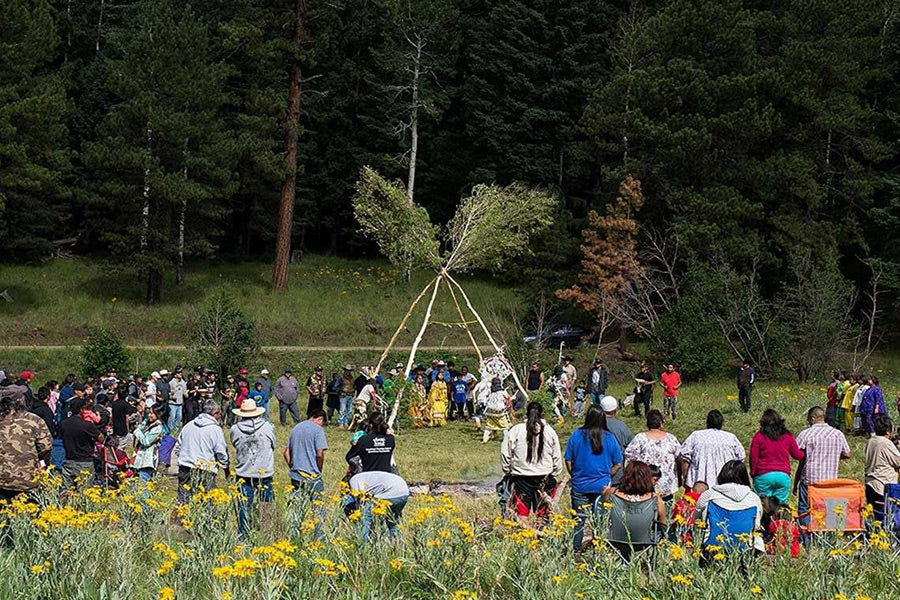
Powwow season has begun.
Across Turtle Island, Native communities gatherānot just to dance, but to honor, remember, and rejoice.
This isnāt just a celebration. Itās a living ceremony of survival, resilience, and beauty.
Long before dreamcatchers adorned bedrooms around the world, they were sacred gifts from Spider Woman, a revered figure in Native American mythology.
For generations, the Ojibwe (Chippewa) people believed that Spider Woman wove invisible webs of protection over her children. But as the tribe expanded across vast lands, she could no longer watch over every child. In response, she taught the women of the tribe how to weave her sacred web into small hoops of willow, creating what we now call the dreamcatcher.
The intricate patterns were more than decorationāthey filtered dreams, allowing only good visions to pass through the center while trapping bad dreams in the threads, where they would dissolve with the morning sun.
š The Web: A representation of Spider Womanās wisdom, carefully woven to catch negativity.
š The Center Hole: The pathway for good dreams to flow through.
šŖ¶ Hanging Feathers: Soft and light, guiding positive dreams down to the sleeper.
š¹ Sacred Beads & Symbols: Each bead represents a different part of natureās balanceāearth, water, fire, and wind.
For many Native tribes, dreamcatchers are more than ornamentsāthey are sacred protectors, passed down as a connection to ancestors and the spirit world.

The story of the dreamcatcher is not just about dreamsāit is about the wisdom of the ancestors, the connection between nature and spirit, and the belief that we are all watched over by unseen guardians.
Even today, the dreamcatcher continues to hold deep spiritual significance, reminding us that just as Spider Woman once protected the children of the earth, we too are woven into the great web of existence.
š¬ "Every thread is a whisper from the past, every feather a bridge to the future."
šĀ What are your thoughts on the legend of Spider Woman? Have you ever had a dreamcatcher in your home?
Ā
For generations, Native American warriors have carried more than weapons into battleāthey carried songs. These warrior chants, passed down through time, are more than melodies; they are voices of strength, prayers for protection, and tributes to fallen heroes.
Even in times of peace, the spirit of these songs lives onāin ceremonies, in storytelling, and in the rhythmic beat of the powwow drum.
š¹ Battle Cries & Victory Songs
Before stepping onto the battlefield, warriors sang for courage. These powerful chants were believed to call upon ancestors, awaken inner strength, and summon divine protection.
š¹ Songs of Remembrance
After the battle, songs of honor were sung to celebrate bravery, mourn the fallen, and immortalize their deeds. These melodies echo through time, ensuring that no warrior is ever forgotten.
š¹ The Role of the Drum
The drum is known as the heartbeat of Native culture. In warrior songs, it mirrors the thunder of horses, the pounding of feet, the pulse of a warriorās heart before battle. Its rhythm is a bridge between the physical and the spiritual worlds.

These warrior songs are still sung todayānot for war, but for remembrance, resilience, and cultural pride.
During powwows and ceremonies, their voices rise again, not as cries of war, but as anthems of survival. They remind us that while battles may end, the spirit of the warrior never fades.
š¬Ā "A warrior's voice is never silenced. It echoes in the songs of his people, in the beat of the drum, in the whispers of the wind."
Ā